

A well-insulated shed protects your tools, equipment, and stored items from extreme temperatures and moisture damage. Insulation helps maintain a stable interior environment, whether you use your shed for storage, as a workshop, or as a garden office.
The right insulation can prevent condensation buildup and reduce heating costs during colder months.
The best insulation for shed depends on factors like your current shed state, budget, and how you use the space.
Common options include fibreglass batts, foam boards, reflective foil, and spray foam, each offering different levels of thermal resistance and ease of installation.
Material thickness, moisture resistance, and R-value ratings are critical considerations when choosing insulation. We tested various insulation types to find the options that offer the best combination of performance, value, and practicality for different shed applications.
1. BLOSTM 1 metre x 25 metre Foil Insulation Roll
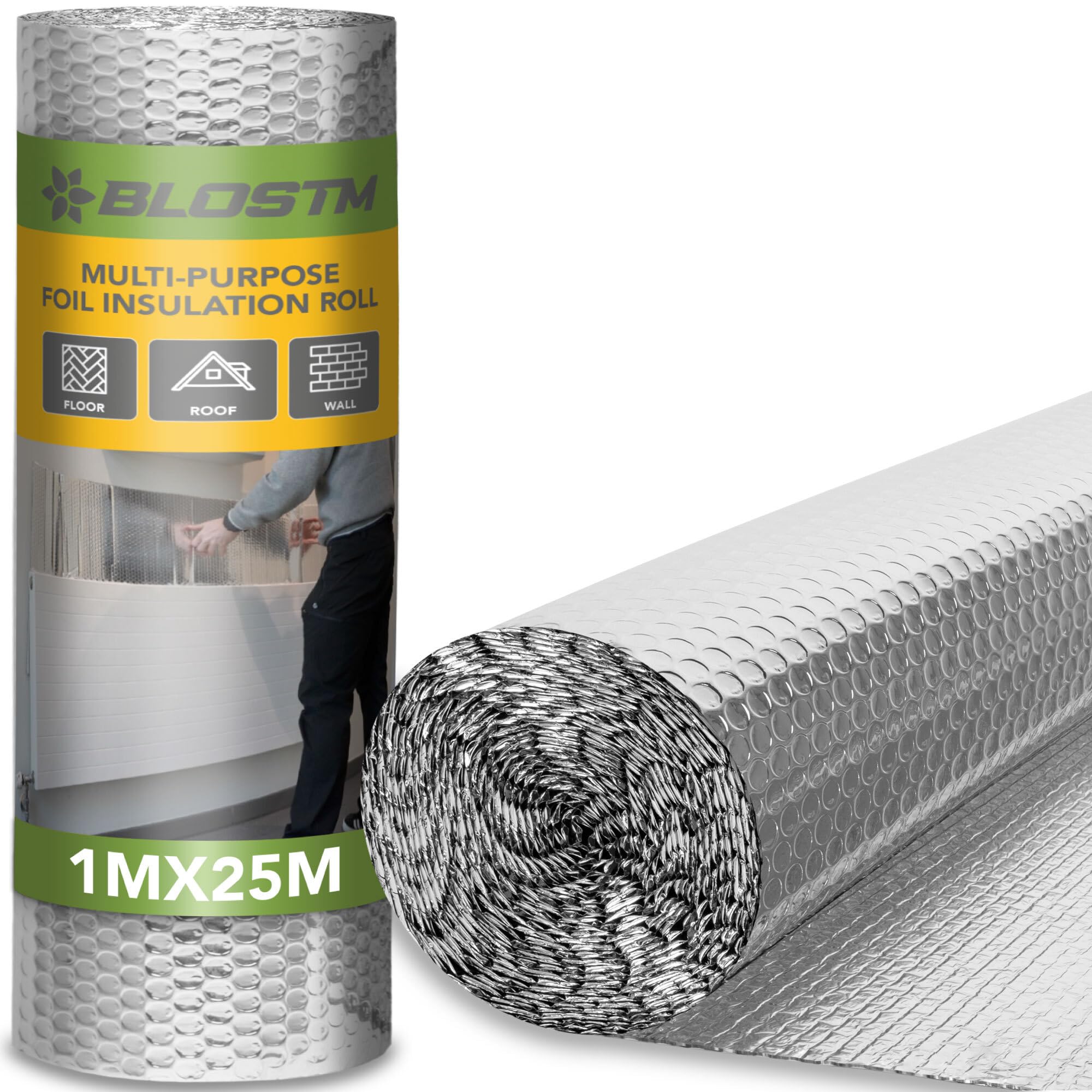
This versatile foil roll offers brilliant value for money and works wonders for multiple insulation projects around your shed and home.
Pros
- Incredibly easy to cut and install with basic tools like scissors or a craft knife
- Reflects heat efficiently whilst also providing moisture resistance for damp environments
- Generous 25-metre length gives you plenty of material for various projects with leftover for future use
Cons
- Adhesive pads aren’t included so you’ll need to buy staples or suitable glue separately
- The lightweight foil can tear if you’re not careful during installation
- Requires occasional dusting to maintain optimal heat reflection performance
We recently used this aluminium foil insulation to line our garden shed walls and were impressed by how straightforward the installation process turned out to be. The material cuts cleanly without special equipment, and we simply stapled it directly to the wooden frame. Within minutes, we had several panels secured and ready to work.
The bubble wrap layer sandwiched between the foil creates a decent thermal barrier that noticeably improved our shed’s temperature regulation. We’ve been storing temperature-sensitive items inside, and they’ve stayed much more stable throughout winter. The shed no longer feels like an icebox when we pop in during cold mornings.
At 2.4mm thick, the insulation sits flush against surfaces without taking up much space. We appreciated how the silver foil stayed put once installed and didn’t sag or come loose. The roll’s width of one metre meant we could cover large sections quickly without excessive cutting and piecing together.
One thing we learned is that you need to handle it gently whilst unrolling. The foil can puncture if you snag it on rough edges or sharp corners. We found it helpful to have someone assist with holding the roll whilst the other person cut and fixed it in place. This prevented accidental tears and made the whole job much smoother.
The moisture resistance has proven valuable for our shed application since condensation used to be a real problem. Since installing this insulation, we’ve noticed far less dampness on the walls. Items stored inside stay drier, and we haven’t seen any mould developing on the foil surface itself.
2. BLOSTM 0.6 Metre x 25 metre Foil Insulation Roll
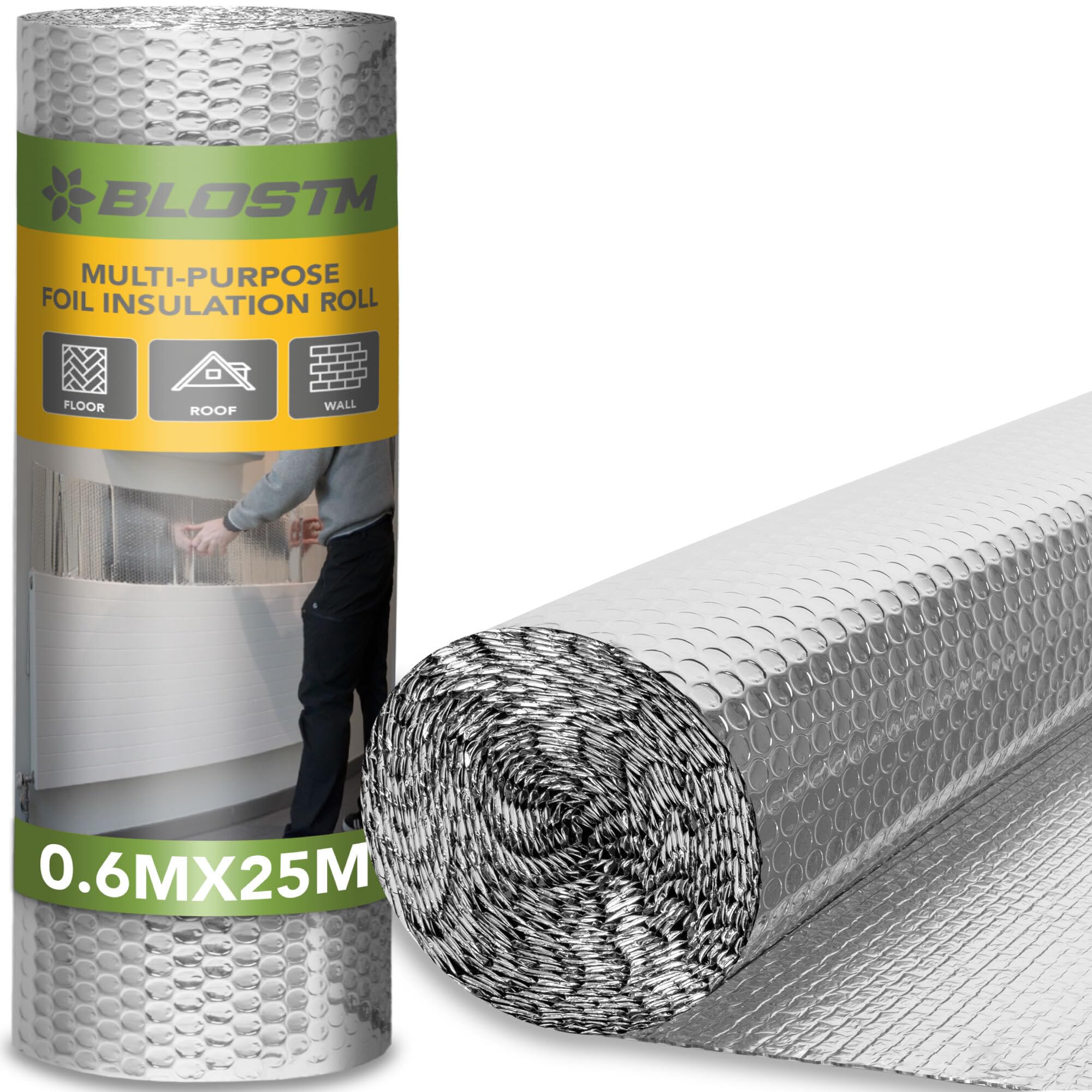
This reflective insulation roll works brilliantly for shed projects and delivers noticeable warmth improvements without breaking the bank.
Pros
- Cuts easily to fit awkward spaces and corners in your shed
- Creates a real difference in temperature that you can feel immediately
- Lightweight material makes solo installation straightforward
Cons
- No adhesive pads included so you’ll need to source your own fixing method
- Can struggle in extreme cold conditions despite good overall performance
- Silver finish is quite visible if you prefer a more discreet appearance
We lined our garden shed with this foil insulation and noticed the difference straight away. The bubble wrap construction adds a decent layer of protection whilst the reflective surface bounces heat back into the space. Our previously damp and chilly shed became a comfortable workspace within hours of fitting.
The 25-metre roll gave us plenty of coverage for a standard sized shed with material left over. We appreciated how simple it was to cut the insulation to size using ordinary scissors. The 60cm width worked perfectly for fitting between wall studs and covering larger flat areas.
Installation took us just an afternoon working at a leisurely pace. The material stays in place well once fixed properly, though you’ll need staples, tape or adhesive pads since none come with the roll. We found the 2.4mm thickness provided solid insulation without taking up too much internal space.
The moisture resistance proved its worth during damp winter months. Our shed stayed dry inside even when condensation was forming on neighbouring uninsulated structures. The temperature stays more consistent now, which makes the space usable throughout the year rather than just in summer.
3. BLOSTM 0.6 Metre x 5 metre Foil Insulation Roll
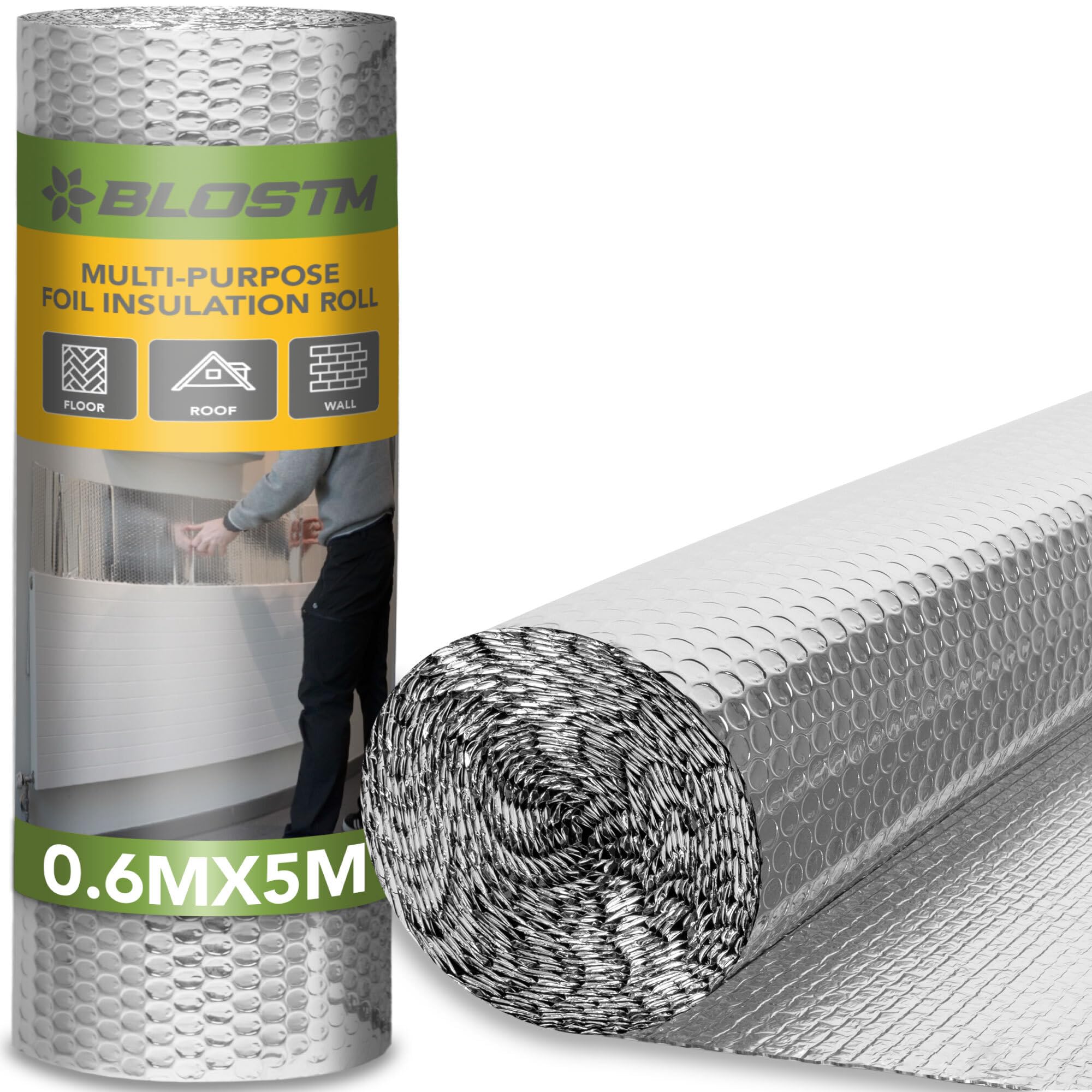
This bubble foil insulation works brilliantly for sheds and delivers noticeable warmth improvements without breaking the bank.
Pros
- Reflects heat effectively and makes a genuine difference to shed temperature
- Cuts easily to size and weighs very little, making installation straightforward
- Resists moisture and stays stable in damp conditions
Cons
- Adhesive pads aren’t included, so you’ll need to purchase them separately
- The 60cm width means you’ll need multiple strips for larger wall sections
- In extreme cold conditions, it works best as part of a layered insulation approach
We lined our garden shed with this foil insulation and noticed the change immediately. The space went from being uncomfortably cold to actually usable during winter months. The silvery surface does exactly what it promises by bouncing heat back rather than letting it escape through the walls.
Installation took us less than an hour. The roll cuts cleanly with ordinary scissors, and the lightweight material doesn’t require any special handling. We found it simple to fit around awkward corners and edges. Since adhesive isn’t provided, we used double-sided tape to secure it against the shed walls.
The moisture resistance stands out as a major benefit. Our shed tends to get quite damp, but the foil hasn’t degraded or developed mould after several months of use. The aluminium coating has maintained its reflective properties despite the humidity.
At 2.4mm thick, it doesn’t take up much room but still provides genuine insulation value. We appreciated that it serves multiple purposes as both a thermal barrier and vapour shield. The 5-metre length covered a decent portion of our shed, though we needed two rolls for complete coverage. For the price, it delivers solid performance and has genuinely reduced the chill factor in our workspace.
4. SuperFOIL Shed Insulation Kit

This complete kit delivers everything needed to insulate a shed properly, making it a solid choice for those wanting a straightforward solution that actually works.
Pros
- Comes with all accessories including stapler, tape, and fixings so you can start immediately
- Cuts easily with ordinary scissors and installs quickly without specialist tools
- Covers 21 square metres which suits most standard shed sizes
Cons
- The included stapler feels flimsy and you’ll likely need your own for better results
- It’s essentially reflective bubble wrap rather than thick traditional insulation
- Some air bubbles arrive deflated which reduces the insulating properties slightly
We found this kit genuinely practical when insulating our shed last month. The foil rolls out smoothly and the reflective surface does make a noticeable difference to temperature. Installing it took just an afternoon, even for someone with basic DIY skills.
The real convenience comes from having everything in one box. We didn’t need to dash to the shops for tape or staples halfway through the job. The aluminium foil cuts cleanly without fraying, and positioning it against walls and roof sections proved straightforward.
That said, the supplied stapler let us down. We switched to our own after a few frustrating attempts. The material itself works well once up, though we noticed some bubbles weren’t fully inflated when we unrolled it. This didn’t seem to affect performance much in practice.
The shed stays noticeably warmer now compared to before installation. Condensation has reduced significantly, which was an unexpected bonus. For the coverage and ease of use, we reckon it offers decent value without requiring professional installation skills.
5. ThermaWrap Bubble Foil Insulation

This lightweight reflective insulation offers excellent value for money and covers multiple shed applications with minimal fuss.
Pros
- Installation takes minutes with just a basic staple gun and no special skills required
- Works brilliantly at reducing condensation whilst keeping our shed noticeably warmer
- Covers 4.5 square metres per roll and weighs very little, making it easy to handle
Cons
- The material feels thinner than expected, so doubling up layers may be necessary for colder climates
- Cutting and fitting around awkward corners can waste material if you’re not careful
- The reflective surface needs proper sealing with foil tape to prevent gaps
We recently used the ThermaWrap insulation on our garden shed and noticed an immediate difference in temperature retention. The roll unravels smoothly and staples directly onto timber frames without any wrestling or complicated techniques. Within an hour, we had lined the entire roof space.
The reflective aluminium surface does exactly what it promises by bouncing heat back into the space. Our shed stays considerably warmer during winter mornings, and we’ve spotted far less condensation on the windows. The bubble layer adds cushioning whilst maintaining flexibility around beams and rafters.
At just 3.7mm thick, this insulation takes up virtually no space compared to traditional foam boards. We appreciated how lightweight each roll felt when working overhead on the roof sections. The material cuts cleanly with standard scissors or a utility knife.
One downside we encountered was the thinness of the material in extremely cold conditions. We ended up adding a second layer in some spots for better performance. The edges also need careful taping with proper foil tape to maintain the thermal barrier, which adds to the overall cost.
The ThermaWrap performs well for sheds, summerhouses, and similar garden buildings where basic insulation is needed. We found it particularly effective at stopping draughts through gaps in the timber. For the price point, it delivers solid results without requiring professional installation skills.
Buying Guide
When we’re shopping for shed insulation, we need to consider several key factors that will affect both performance and value. The right choice depends on our specific needs, budget, and the conditions our shed faces.
Understanding R-Value
The R-value measures thermal resistance. Higher numbers mean better insulation. We should aim for at least R-10 for basic protection, though R-13 to R-19 works better in extreme climates.
Material Type Considerations
| Material Type | Best For | Key Benefit |
|---|---|---|
| Fibreglass | Budget projects | Affordable and effective |
| Rigid foam boards | Moisture-prone areas | Water resistant |
| Reflective foil | Hot climates | Heat reflection |
| Natural fibres | Eco-friendly builds | Sustainable option |
Thickness and Space
We must measure our shed’s wall cavity depth before buying. Thicker insulation provides better performance but requires adequate space. If we’re working with limited room, we should choose high-performance materials that deliver good R-values in thinner profiles.
Moisture Resistance
Our best insulation for shed option needs to handle moisture well. We should look for materials with vapour barriers or moisture-resistant properties, especially if the shed lacks proper ventilation or stores damp items.
Installation Requirements
Some materials require professional fitting whilst others suit DIY installation. We need to assess our skills honestly and factor in any additional tools or protective equipment required. Pre-cut batts are easier to work with than loose-fill options.
Fire Safety Ratings
We shouldn’t overlook fire resistance, particularly if we’re storing flammable materials or using electrical equipment in our shed.