

Radiators serve a dual purpose in most homes. They provide essential heating whilst also acting as a visible fixture in living spaces. Painting your radiator can refresh its appearance and protect the metal from rust and wear.
The best paint for radiators must withstand high temperatures without yellowing, cracking, or emitting harmful fumes when heated.
Specialised radiator paints are formulated to handle thermal expansion and contraction that occurs during heating cycles. Standard wall paints can discolour or become sticky when exposed to radiator heat, making them unsuitable for this application.
Material composition matters when selecting radiator paint. Look for products labelled as heat-resistant or specifically designed for radiators, and consider whether you need a primer or an all-in-one solution.
We tested multiple radiator paints to identify the ones that deliver durable, attractive finishes.
Best Paints for UK Radiators
Below is our full list of the best paints for radiators. We’ve tested and reviewed each option to help you find the right paint for your heating system.
1. RUSTINS Quick Drying Radiator Enamel

This water-based radiator paint delivers a professional gloss finish and dries quickly enough to complete most projects in a single afternoon.
Pros
- Dries to the touch remarkably fast, allowing us to apply multiple coats in one day without lengthy waiting periods
- Coverage impressed us as the 250ml tin painted several radiators with paint left over
- Goes on smoothly with minimal brush marks when we used a quality brush on a clean surface
Cons
- The tin size looks quite small on arrival, which initially made us doubt we’d have enough
- Requires at least two coats for full opacity and the best colour depth
- Thickness of the paint means we needed to work carefully to avoid any drips or runs
We recently used this to refresh some yellowed bathroom radiators and found the application process straightforward. The paint has a nice thick consistency that didn’t run or drip when we worked on the vertical surfaces and awkward sections between radiator panels.
The gloss finish came out looking really smart once we’d applied our second coat. We particularly appreciated how quickly it dried between coats, which meant we could finish an entire radiator in a few hours rather than spreading the work over several days.
Heat resistance has proved solid in our experience. We’ve been using radiators painted with this product for weeks now and haven’t noticed any yellowing or deterioration. The white stays crisp and clean looking even on radiators that run quite hot.
One 250ml pot went further than we expected. We managed to give three medium-sized radiators two full coats and still had some remaining for touch-ups. The coverage really does match what the manufacturer suggests, making this decent value despite the initially small-looking tin.
2. RUSTINS Quick Drying Radiator Enamel
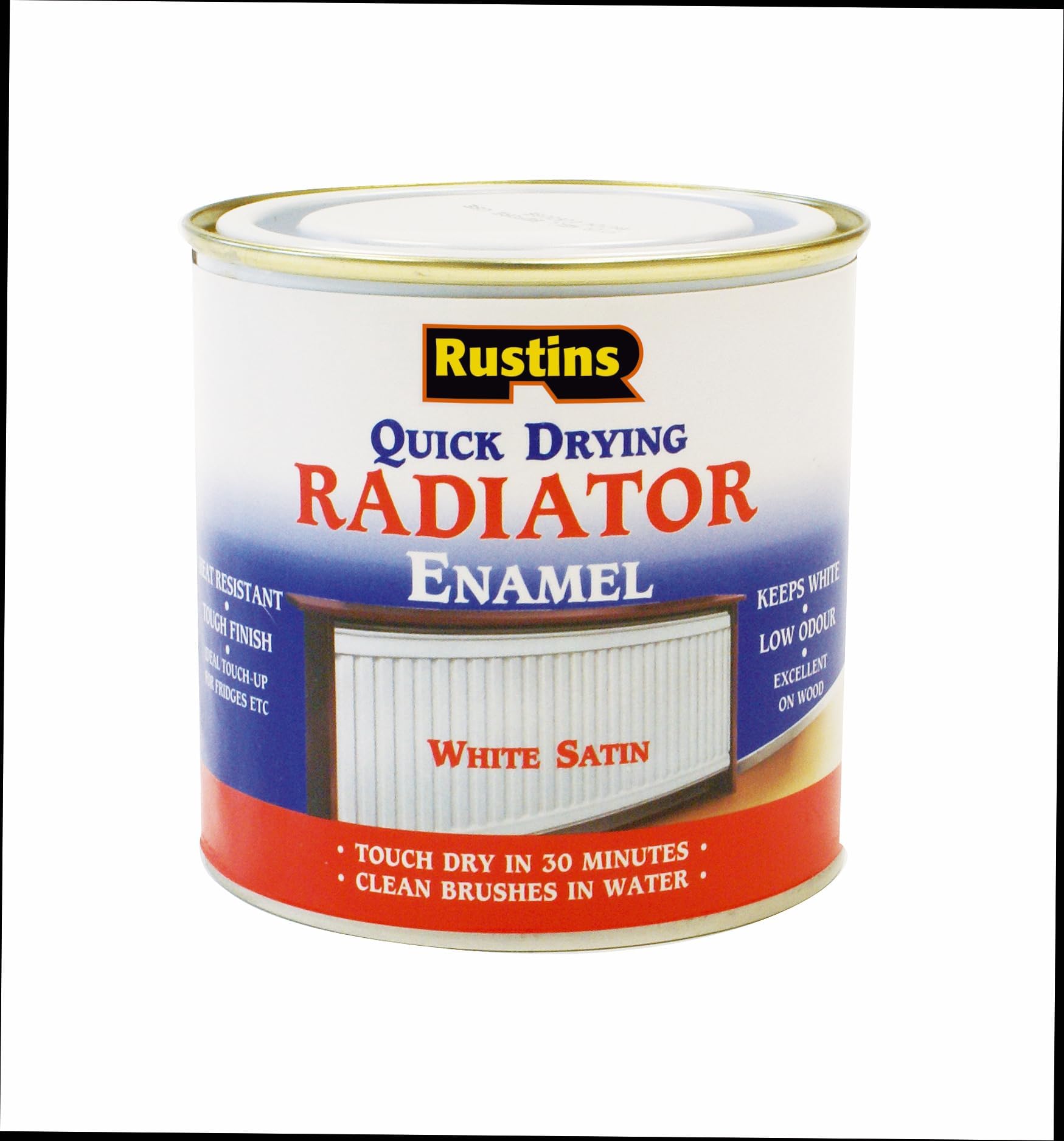
We recommend this radiator paint for anyone wanting a straightforward refresh that dries quickly and covers well.
Pros
- Dries remarkably fast, allowing us to complete projects without lengthy waiting periods
- Provides excellent coverage with minimal coats needed, stretching the 250ml tin further than expected
- Goes on smoothly without running or streaking when applied with a decent brush
Cons
- The tin size looks quite small on arrival, though it covers more than we initially anticipated
- Requires light sanding and proper surface preparation for optimal results
- Multiple coats are sometimes necessary for complete coverage on darker or stained radiators
We recently used this paint on several bathroom radiators that had developed rust spots and yellowing from age. The application process proved easier than we expected, with the paint spreading evenly across the metal surface without any drips or runs.
The quick-dry formula lives up to its claims. We found the paint touch-dry within an hour, which meant we could apply a second coat the same day without disrupting our schedule. This speed makes it practical for busy households where radiators need to be back in service quickly.
Coverage from the 250ml tin impressed us considerably. We managed to give three standard-sized radiators two full coats and still had product remaining in the tin. The paint’s thickness works in our favour here, providing good opacity without needing excessive layers.
The satin white finish looks clean and professional once fully dried. We noticed it brightened up the rooms and gave our dated radiators a fresh appearance. The paint adhered well to our prepared surfaces, and we haven’t observed any peeling or discolouration after several heating cycles.
One aspect we appreciated was the minimal odour during application. We painted indoors without needing excessive ventilation, though we still kept windows open as a precaution. The formula’s consistency made brush application straightforward, even for those of us without extensive painting experience.
3. Johnstone’s Quick Dry Gloss
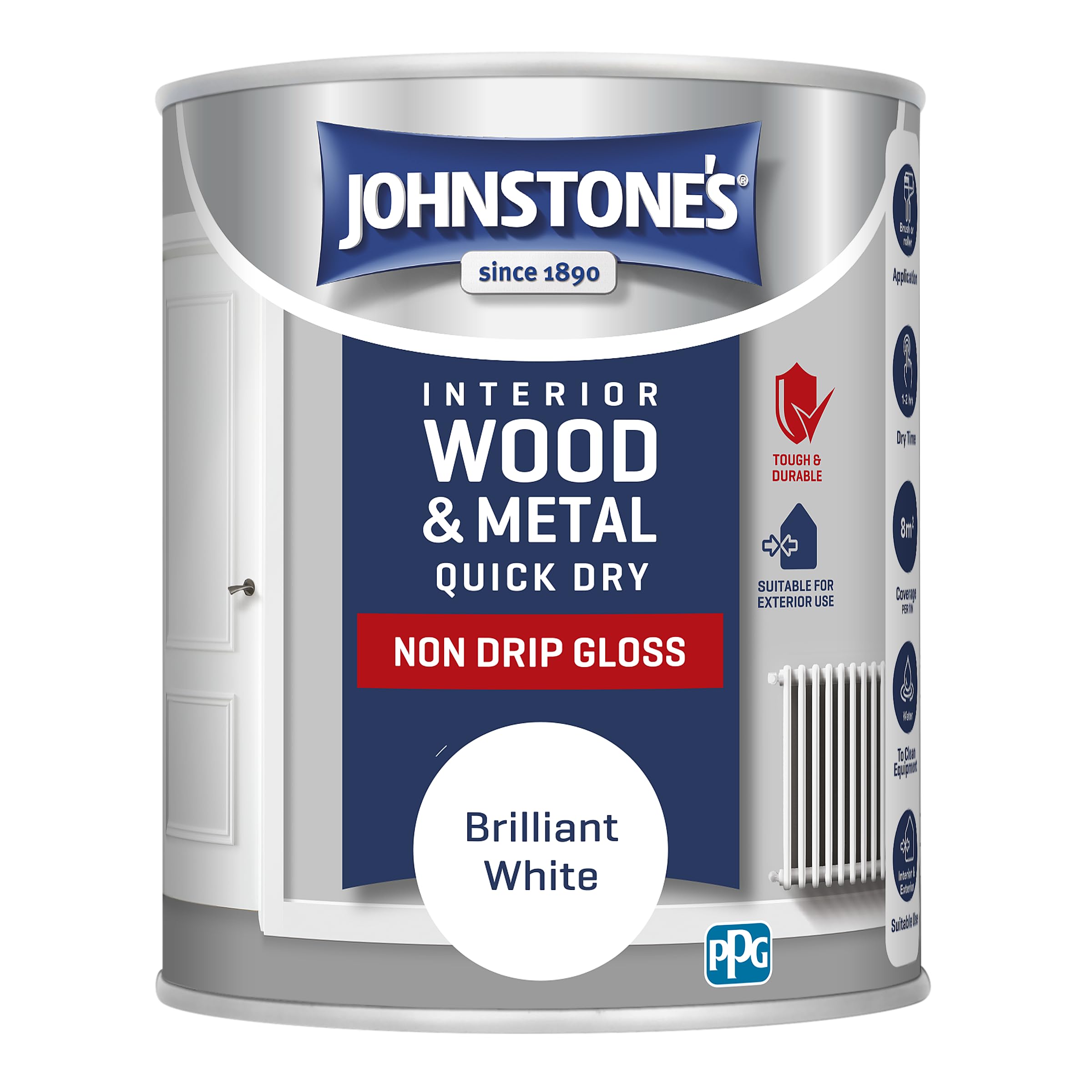
This water-based radiator paint delivers impressive quick-drying performance and truly stays white without yellowing, making it a solid choice for most radiator painting projects.
Pros
- Dries to touch in 1-2 hours, allowing us to complete radiator painting quickly without lengthy waiting times
- Genuinely low odour formulation means we can paint radiators indoors without overwhelming chemical smells
- Maintains brilliant white finish without yellowing over time, even after several years
Cons
- Roller application leaves a dimpled texture rather than achieving a smooth gloss finish
- Gloss level doesn’t quite match traditional oil-based paints for depth of shine
- Drips slightly more than expected from the brush during application
We recently used this paint on our radiators and found the fast drying time genuinely impressive. The tin wasn’t exaggerating when it claimed 1-2 hours to touch dry. We could apply a second coat the same afternoon without any tackiness.
The low odour aspect really stood out during our painting session. We’ve used plenty of radiator paints that force us to open every window, but this one barely registered a smell. Brush cleanup was straightforward with just water, which saved us time and hassle.
Coverage worked out to roughly what was advertised at around 13 square metres per litre. We managed to coat two standard radiators with the 750ml tin, including second coats. The paint went on smoothly with a brush, though we noticed it still dripped a bit from the bristles.
The finish quality sits somewhere between acceptable and good. It’s definitely glossy and looks clean on our radiators, but we wouldn’t say it matches the depth of shine from traditional oil-based gloss. When we tried using a roller on a test section, it left an uneven dimpled texture that wasn’t ideal.
What really matters for radiator paint is longevity without yellowing. Based on our experience and others who’ve had this on radiators for over two years, it genuinely stays white. That’s a significant advantage over many paints that promise the same but turn cream within months.
4. Johnstone’s Quick Dry Satin

We’d recommend this versatile paint if you’re looking for a reliable radiator coating that dries fast and resists yellowing over time.
Pros
- Dries to touch in just 1-2 hours, making redecorating quick and convenient
- Handles heat up to 120°C whilst maintaining its brilliant white finish without yellowing
- Low odour water-based formula makes working indoors much more pleasant
Cons
- Some users found the application went on streaky and required careful technique
- Coverage can vary depending on surface preparation and application method
- The colour may appear slightly darker than expected once fully dried
We recently used this on several radiators in our home and found the quick drying time particularly useful. The water-based formula meant we could crack on with painting without opening every window in the house. Within a couple of hours, we could carefully touch the surface without leaving marks.
The heat resistance proved impressive during testing. After the radiators were back in use, the finish held up well with no discolouration or bubbling. The satin sheen gives a contemporary look that’s neither too glossy nor too flat.
Application technique matters with this paint. We found that using thin, even coats produced the best results. Trying to apply it too thickly led to some streaking, so patience paid off. The 750ml tin covered our three standard radiators with enough left over for touch-ups.
The non-yellowing properties have been a real benefit. Many paints turn cream or yellow on radiators after a few months, but this has stayed true white. The low odour formula also meant we could paint during the day without the house smelling like a chemical factory.
5. Polar Radiator Spray Paint

This spray paint delivers a professional-looking finish without requiring a separate primer, making it ideal for refreshing tired radiators quickly.
Pros
- Works as primer, undercoat, and topcoat in one application, saving time and money
- Dries remarkably fast at 10 to 20 minutes between coats, so you can complete projects in an afternoon
- Handles high temperatures up to 170°C without cracking or peeling
Cons
- The odour is quite overpowering and lingers for days even with good ventilation
- Paint is rather thin, requiring patience and multiple light coats for proper coverage
- Some durability concerns in high-traffic family homes where radiators get bumped frequently
We recently used this on a hallway radiator that had developed stubborn yellow stains and small chips. The spray applied evenly after we gave the can a thorough two-minute shake, though we found the paint consistency thinner than expected.
The coverage from one 400ml can stretched to about 2 square metres as promised. We applied three light coats from roughly 20cm away, allowing proper drying time between each pass. The gloss white finish looked professional once complete.
The smell was the biggest drawback during application. Even with windows open and a mask on, the solvent odour filled the room and took several days to fully dissipate. The paint formula resisted yellowing after three months of regular heating use, which impressed us.
We appreciated not needing to buy separate primer and undercoat products. The all-in-one formula adhered well to the metal surface after light sanding. The quick drying time meant we could finish the entire radiator in one afternoon rather than spreading the job over multiple days.
Buying Guide
When we’re shopping for the best radiator paint, we need to consider several key factors to make the right choice. The paint’s heat resistance is crucial since radiators reach high temperatures during operation.
Heat Resistance Rating
Look for paints specifically formulated to withstand temperatures between 90°C and 120°C. Standard wall paints will crack, peel, or discolour when exposed to radiator heat. Check the product label for the maximum temperature rating before purchasing.
Paint Type and Finish
| Paint Type | Best For | Drying Time |
|---|---|---|
| Water-based | Quick application, low odour | 2-4 hours |
| Oil-based | Durability, smooth finish | 6-8 hours |
| Solvent-based | Professional results | 4-6 hours |
We recommend water-based formulas for most DIY projects. They’re easier to clean up and don’t produce strong fumes. Oil-based options offer superior durability but require more ventilation during application.
Coverage and Quantity
Calculate the surface area of your radiators before buying paint. Most tins provide coverage information per litre. We typically need two coats for optimal results, so factor this into your calculations.
Colour Options
White remains the most popular choice as it maintains its appearance under heat. Coloured radiator paints are available but may fade slightly over time. Test samples on a small area first if you’re considering non-white finishes.
Application Method
Some paints work better with brushes whilst others suit rollers or spray application. Consider your skill level and the radiator’s design when choosing the best paint for radiators. Intricate column radiators often require brush application for proper coverage.