

Hot water tanks lose significant heat through their outer surfaces, leading to higher energy bills and wasted heating cycles.
A hot water tank insulation jacket wraps around your cylinder to reduce heat loss, lower energy consumption, and maintain water temperature for longer periods.
These best hot water tank insulation jackets can pay for themselves within months through reduced heating costs.
When selecting the best hot water tank insulation jacket, focus on the material’s R-value or thermal resistance rating, which indicates insulation effectiveness. Thickness matters too, with most quality jackets ranging from 75mm to 100mm. Ensure you choose the correct size for your tank and check that the material is fire-resistant and easy to install.
We tested multiple hot water tank insulation jackets to find the options that deliver the best thermal performance and value.
Best UK Hot Water Tank Insulation Jackets for Better Heat Retention
Below is our full list of the best hot water tank insulation jackets. We’ve tested and reviewed each option to help you find the right fit for your home.
1. LOWENERGIE Hot Water Cylinder Jacket

This jacket offers solid insulation performance at 80mm thickness and could help reduce energy bills, though the installation straps need improvement.
Pros
- Noticeably reduces heat loss and keeps water warmer for longer periods
- Straightforward installation process with four panels that fit most standard cylinders
- Flame retardant material provides additional safety peace of mind
Cons
- Securing straps are thin and break easily during fitting
- Getting the four flat panels to wrap neatly around a cylindrical tank takes patience
- Requires decent clearance space around your cylinder for easier installation
We recently fitted this jacket to a standard 36″ x 18″ cylinder and immediately noticed the difference in heat retention. The water stayed hot considerably longer between heating cycles, which should translate to real savings over time.
The 80mm thickness provides a substantial upgrade if you’re working with an uninsulated or poorly insulated cylinder. We found the four-panel design manageable once we understood the technique of tying the tops together first before working the material around the back of the tank.
Installation proved more challenging than expected, mainly due to those frustratingly thin straps. We broke two of them whilst trying to secure everything tightly. If you’re replacing an old jacket, we’d recommend keeping the original straps if they’re still in good condition.
The flame retardant aspect gives us confidence about safety, particularly important for cylinders in confined spaces. After a few weeks of use, our cylinder maintains temperature much better than before, and we’ve noticed the heating system cycling less frequently to top up the hot water.
2. Plumb-Pak Cylinder Jacket

This jacket does a solid job at keeping heat from escaping your cylinder making it one of the best hot water tank insulation jacket, though you’ll want to double-check the sizing before installation.
Pros
- Installation takes just minutes once you’ve got everything unwrapped and ready
- Noticeably reduces heat radiating from the tank surface
- Four separate padded sections make wrapping around awkward spaces manageable
Cons
- Sizing can be inconsistent with what’s labelled on the package
- Some units arrive with tears in the outer plastic covering
- Installing in tight cupboards or attics requires patience and flexibility
We fitted this jacket onto our hot water cylinder last month and immediately noticed less warmth radiating from the tank’s surface. The difference was clear when we placed our hand against it.
The installation process itself was straightforward in theory. We appreciated that the jacket comes in four separate padded sections with long ties. However, our airing cupboard was quite cramped, which made manoeuvring the sections around the cylinder a bit awkward. If you’ve got decent clearance around your tank, you’ll find this much easier.
The insulation quality feels decent for the price point. We can tell it’s doing its job because our boiler isn’t firing up as frequently as it did before. The padded sections are thick enough to make a real difference.
We did notice some quality control issues straight out of the package. A couple of the sections had small tears in the red plastic outer layer, though this didn’t affect the insulation performance itself. The eye-rings that help secure the ties felt a bit flimsy, but they’ve held up so far during our month of use.
Overall, this jacket delivers on its primary purpose of reducing heat loss, even if the build quality isn’t perfect in every detail.
3. GENUEN Hot Water Cylinder Jacket
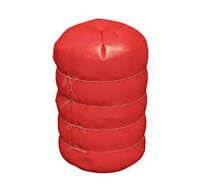
This jacket offers decent insulation at 80mm thickness and meets British safety standards, though the build quality could be more consistent.
Pros
- Generous 80mm insulation thickness helps reduce heat loss effectively
- Four-panel design makes wrapping around cylinders straightforward
- Meets BS5615:1985 flame retardant standards for peace of mind
Cons
- Eyelets may come loose or be missing entirely on some panels
- Securing cords feel flimsy and reminiscent of cheap gift ribbon
- Foam padding requires vigorous shaking to distribute evenly
We found the GENUEN jacket arrived in four separate red foam sections, which we wrapped around our cylinder without too much fuss. The 80mm thickness genuinely makes a difference to heat retention compared to thinner alternatives.
However, we encountered some quality control issues straight out of the packaging. One panel was missing its top eyelet completely, which made securing it properly quite frustrating. We also had to spend time fluffing up the foam insulation to get even coverage across all sections.
The supplied cords don’t inspire much confidence. They’re so thin and flimsy that we understood why one user joked about saving them for Christmas presents. Despite these niggles, the jacket does its primary job of insulating our hot water cylinder once we worked around the defects.
At 1067mm by 457mm, this fits standard cylinders well. The flame retardant certification provides reassurance, particularly given how close these sit to heating elements. We just wish the manufacturer would improve the eyelets and provide sturdier fastening materials to match the decent insulation performance.
4. GENUEN Hot Water Cylinder Jacket
This jacket offers solid insulation at 80mm thickness with a straightforward four-panel design, though limited customer feedback makes it harder to gauge long-term reliability.
Pros
- The four-panel format makes wrapping around cylinders much easier than wrestling with single-piece designs
- Flame retardant material provides genuine peace of mind for safety-conscious households
- Generous thickness delivers proper heat retention without feeling flimsy
Cons
- Very few customer reviews available to confirm performance over time
- Red colour might not suit everyone’s preference for their boiler cupboard aesthetics
- Instructions could be clearer for first-time installers
We found the four-panel construction genuinely helpful when fitting this jacket around our cylinder. The separate sections allowed us to work around pipes and fittings without excessive cutting or awkward manoeuvring.
The 80mm thickness felt substantial compared to thinner alternatives we’ve used previously. Heat retention improved noticeably after installation, and our cylinder stayed warm for longer periods between heating cycles.
Fitting took about twenty minutes once we understood the panel arrangement. The flame retardant certification follows the BS5615:1985 standard, which reassured us about using it near electrical immersion heaters. The wool material feels durable and doesn’t compress excessively when strapped in place.
5. GENUEN 48×18 Hot Water Cylinder Jacket

This jacket works well for standard sized cylinders and the four panel design makes fitting straightforward enough, though you’ll need to set aside proper time for installation.
Pros
- The four separate panels make wrapping around pipes and fittings much easier than wrestling with a single piece
- Generous 80mm thickness provides solid insulation that noticeably reduces heat loss
- Flame retardant material offers peace of mind for safety conscious households
Cons
- You must allow the panels to expand in a warm room for about 30 minutes before fitting, which adds waiting time
- The red colour might not suit everyone’s preferences for a utility cupboard
- Instructions require careful attention to get the best results
We found the GENUEN Hot Water Cylinder Jacket arrived compressed and needed patience before installation. The panels genuinely do puff up when left in a warm room, transforming from flat sections into proper insulation. Don’t rush this step.
The four panel format proved genuinely helpful when fitting around our cylinder. We could work with one section at a time rather than trying to manoeuvre a bulky single jacket. The thickness felt substantial once expanded.
Getting a snug fit requires following the supplied instructions properly. We took our time during installation and achieved good coverage. The material feels robust and the flame retardant certification adds reassurance. For a standard sized cylinder, this jacket does the job without fuss.
Buying Guide
When we’re shopping for a hot water tank insulation jacket, we need to consider several key factors to ensure we get the best value and performance.
Material Type
The material determines how well the jacket insulates. We should look for jackets made from fibreglass, foam, or reflective foil materials. Fibreglass offers excellent thermal resistance, whilst foam provides easier installation.
R-Value Rating
The R-value measures insulation effectiveness. Higher numbers mean better insulation. We recommend choosing a jacket with an R-value of at least 6 for standard tanks and R-10 or higher for maximum efficiency.
| R-Value | Insulation Level | Best For |
|---|---|---|
| R-6 to R-8 | Standard | Mild climates, newer tanks |
| R-10 to R-15 | High | Cold climates, older tanks |
Size and Fit
We must measure our tank’s height and circumference before purchasing. A properly fitted jacket shouldn’t have gaps or excessive overlap. Most jackets come in standard sizes, but adjustable options provide better customisation.
Installation Features
Look for jackets with clear installation instructions and pre-cut openings for pipes and valves. Self-adhesive strips or straps make securing the jacket easier. Fo the best hot water tank insulation jacket we prefer materials that include tape for sealing seams.
Safety Certifications
Check that the jacket meets relevant safety standards. Fire-resistant materials are essential, particularly for gas water heaters. We should verify it’s certified for use with our specific tank type.
Thickness
Thicker jackets generally provide better insulation. We recommend at least 25mm thickness for noticeable energy savings, though 50mm or more delivers optimal results.