

Growing fruit in a small garden brings fresh produce to your doorstep and adds seasonal interest to outdoor spaces.
The best fruit trees for small gardens in the UK can thrive in compact areas whilst producing worthwhile harvests, making them ideal for urban and suburban plots.
Dwarf and patio varieties have been bred specifically for limited spaces, offering full-sized fruit on manageable trees.
When choosing fruit trees for smaller gardens, consider the rootstock, which determines the tree’s final size and vigour. Pollination requirements matter too, as some varieties need a partner tree nearby to produce fruit. Climate suitability and maintenance needs also affect long-term success.
We researched and tested multiple compact fruit trees to find the options that deliver reliable crops in limited UK garden spaces.
Best Fruit Trees for Small Gardens for the UK Climate
We’ve carefully selected the top fruit trees that thrive in compact UK gardens. Our list features varieties that deliver excellent yields without requiring extensive space, making them perfect for urban and suburban plots.
1. YouGarden Victoria Plum Tree
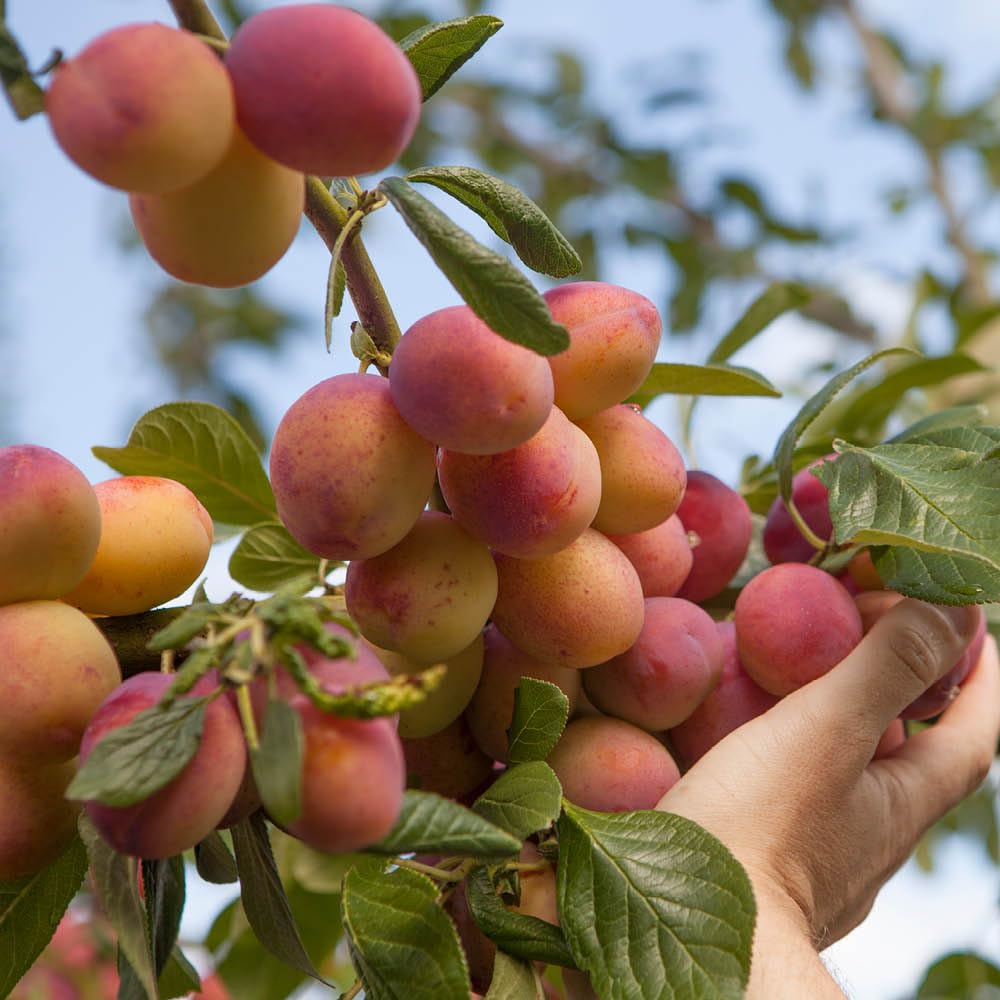
This self-fertile plum tree is a solid choice for compact UK gardens where space is limited and you want reliable fruit production without needing additional trees.
Pros
- Produces generous crops of sweet, yellow-fleshed Victoria plums once established
- Self-fertile variety means you don’t need another tree for pollination
- Stays compact at around 2.4 to 3 metres tall, making it manageable for smaller spaces
Cons
- Some branches can arrive snapped during delivery due to horizontal growth habit
- Plum trees in particular seem less resilient than the apple and pear varieties from this supplier
- Takes time to fully establish before you see those bumper harvests
We’ve found the Victoria plum lives up to its reputation as Britain’s favourite garden plum. The flavour of the fruit is genuinely excellent, with that classic sweet taste that makes them perfect for eating fresh or turning into jam.
The tree arrives as bare root stock, which initially looks quite sparse but establishes well when planted between November and May. We planted ours straight into the ground and it settled in nicely, though it does need regular watering during dry spells.
One thing we noticed is that the packaging could be better for the plum’s spreading branches. Several horizontal stems had snapped in transit, which was disappointing given the otherwise healthy condition of the rootstock. The tree recovered, but it set back the initial growth.
Maintenance is straightforward with thinning required in May and pruning in July. The compact size means we can reach everything without a ladder, which makes the annual care much easier than dealing with a full-sized tree.
We’d recommend choosing a sunny spot with decent drainage. The tree can grow in a large pot if you prefer, though we’ve had better results with ground planting where the roots have more room to spread.
2. Thompson & Morgan Mini Dwarf Pear ‘Conference’

This compact pear tree offers a practical solution for growing your own fruit in limited spaces, though patience is required as it takes time to establish and produce.
Pros
- Self-fertile variety means you don’t need multiple trees for pollination
- Stays compact at around 65cm, making it manageable for patios and small borders
- Conference pears are reliably sweet and one of the best varieties for British conditions
Cons
- Takes considerable time to produce fruit after planting, often a year or more
- Some plants arrive with minimal growth and struggle to establish initially
- Quality can be inconsistent, with occasional weak or damaged stems below the graft
We found this miniature pear tree arrived in a small 9cm pot looking quite modest. The plant needs regular watering and a sunny spot with well-drained soil to thrive.
After planting ours, we noticed it didn’t show much growth in the first season. This matches what several other growers experienced, with some finding their trees needed extra care in a greenhouse to get going properly.
The self-fertile nature is genuinely helpful for small gardens where space for multiple fruit trees isn’t available. Conference pears are known for heavy cropping once established, which makes the wait potentially worthwhile.
We appreciated that it arrived safely packaged, though the initial size can feel disappointing. The graft point is visible, and it’s crucial that new growth comes from above this rather than below.
For those expecting quick results, this won’t deliver. At 83, one customer rightly questioned whether they’d see fruit, which highlights the commitment needed. We’d suggest this works best for patient gardeners willing to nurture it through its first challenging year.
3. YouGarden Compact Sweet Cherry ‘Porthos’

This dwarf cherry bush offers a practical solution for gardeners wanting homegrown fruit without sacrificing precious garden space.
Pros
- Produces up to 5kg of sweet cherries per season once established, with fruit ready in mid-to-late July
- Grows to a manageable 2m height and spread, making it perfect for compact gardens and patios
- Provides lovely spring blossom displays before fruiting, adding ornamental value to your space
Cons
- Arrives dormant in winter months without leaves, which can look underwhelming initially
- Some plants arrive rather dry and require immediate attention with watering and feeding
- Takes time to establish and may not produce flowers or fruit in the first season after planting
We found this cherry bush to be an excellent choice for smaller outdoor spaces. The plant arrived in a 3-litre pot at around 50cm tall, which felt like a decent starting size. Once we got it in the ground and gave it proper care, the growth was encouraging.
What impressed us most was how the fruiting branches grow from the base. This design makes harvesting straightforward without needing ladders or special equipment. The cherries themselves turned out plump and flavourful when they finally arrived in late July.
The April blossom display added unexpected beauty to our garden. However, we noticed the plant needed consistent watering, especially during hot spells. The 622 customer ratings averaging 4.2 stars reflect what we experienced: a solid performer that requires patience and proper establishment.
We appreciated that this is naturally dwarf rather than grafted, which means less fuss with root stock issues. The winter hardiness proved reliable in our UK climate. Just be prepared for it to look like a simple stick when it arrives dormant, which is completely normal for bare season delivery.
4. YouGarden Fig Tree ‘Brown Turkey’

We found this standard fig tree to be an excellent choice for compact UK gardens that need a reliable fruiting plant.
Pros
- Handles British winters brilliantly, surviving temperatures down to minus 15 degrees without protection
- Produces actual fruit within months rather than years, with some gardeners reporting figs in the first season
- Requires minimal watering once established, making it perfect for busy gardeners or drier spots
Cons
- Arrives completely bare in winter months, which can be alarming if you’re not expecting a dormant tree
- Packaging occasionally allows some leaf damage during transit, though the plant itself stays healthy
- Needs a large container to perform well, so you’ll need to factor in the cost of a substantial pot
We’ve been growing this Brown Turkey variety for a while now, and it’s proven itself as one of the most forgiving fruit trees we’ve tried. The standard lollipop shape arrived at about 90cm tall, and we were pleased with how established the root system looked in its 3L pot.
The tree settled into its permanent home quickly. We moved it into a bigger container on the patio where it gets full sun most of the day. Within our first summer, we spotted small figs developing, which genuinely surprised us given how young the plant was.
Root restriction is the secret to getting more fruit, so keeping it potbound actually works in your favour. We’ve found watering can be quite relaxed once the tree has acclimatised. Even during dry spells, it doesn’t seem to suffer like other fruit trees might.
The YouGarden Fig Tree ‘Brown Turkey’ has six main branches that provide good structure. New growth appears readily each spring. The foliage alone makes it worthwhile as an architectural plant, but getting those sweet figs in late summer is the real reward.
5. YouGarden ‘Lil Vic’ Plum Tree

This compact plum tree delivers full-sized fruit without taking over your garden, making it ideal for anyone working with limited outdoor space.
Pros
- Stays manageable at just 2 metres tall when planted in the ground or 1.2 metres in a container
- Self-fertile variety means you don’t need another tree for pollination
- Produces generous crops of classic Victoria plums despite its smaller stature
Cons
- Some twigs arrived damaged during shipping in our experience
- Requires consistent watering and won’t tolerate the soil drying out completely
- Takes patience as fruit production may not begin immediately in the first season
We found the YouGarden ‘Lil Vic’ Plum Tree arrived well-packaged and larger than expected at 70cm tall. The tree looked healthy upon arrival, though we noticed a couple of small branches had snapped during transit. This didn’t affect the overall vigour of the plant.
The white spring blossom appeared reliably in our garden, creating a lovely display before the fruiting season. By July, we spotted the developing plums starting to swell on the branches. The fruit quality matched standard Victoria plums perfectly, with that same sweet flavour and deep red colour.
Container growing worked brilliantly for us on a patio. We kept up with regular feeding using slow-release fertiliser each spring and made sure to water consistently during dry spells. The compact size meant we could easily move it if needed, though it became heavier once established.
Thinning the fruit in May proved essential for getting decent-sized plums. Without this step, the tree attempted to produce too many small fruits rather than fewer quality ones. The St Julien rootstock kept growth restrained without compromising the harvest, which suited our limited garden perfectly.
Fruit Tree Buying Guide
When we’re selecting fruit trees for small gardens, the first thing we need to consider is the rootstock. Dwarf and semi-dwarf rootstocks keep trees compact, typically growing between 6 to 12 feet tall. This makes them perfect for limited spaces whilst still producing a good crop.
Size and Growth Habit
We should always check the mature height and spread before purchasing. Container-grown trees offer flexibility as they can be moved around and kept even smaller through regular pruning. Trees sold as cordons, espaliers, or fans are specifically trained to grow flat against walls or fences, saving valuable ground space.
Pollination Requirements
Many fruit trees need a pollination partner to produce fruit. We must verify whether a tree is self-fertile or requires another compatible variety nearby. Self-fertile options are ideal when we only have room for one tree.
Climate Suitability
Not all varieties thrive in the UK climate. We should look for trees bred for cooler temperatures and check their hardiness rating. Late-flowering varieties help avoid frost damage to blossoms in spring.
Age and Quality
Younger trees (one to two years old) establish more quickly than older specimens. We need to inspect the tree for healthy roots, straight growth, and no signs of disease or damage. Bare-root trees are typically less expensive than container-grown options and often establish better when planted during dormancy.
Growing Conditions
We must match the tree’s needs to our garden’s conditions. Consider soil type, drainage, and sunlight availability. Most of the best small garden fruit trees require at least six hours of direct sunlight daily.