

Cold air seeping under your front door can make your home uncomfortable and increase heating costs. A draught excluder creates a barrier that blocks unwanted airflow, helping maintain a consistent indoor temperature. The best draught excluder for front door use should effectively seal gaps while being durable enough to withstand daily foot traffic.
When choosing a draught excluder, the most important factors to consider are the size of the gap under your door, the material’s insulation properties, and whether you need a permanent or temporary solution.
Some excluders attach directly to the door, whilst others sit on the floor and can be moved as needed. We tested multiple draught excluders to find the options that provide reliable protection against cold air and draughts.
Best Draught Excluders for UK Front Doors
We’ve tested and reviewed a range of draught excluders to help you keep the cold air out and reduce your energy bills. Our top picks include options for different door types, budgets, and installation preferences.
1. Hojoy 2 Pack Draft Excluder

This silicone draught excluder offers solid performance at keeping cold air out and is particularly good value since you get two strips in the pack.
Pros
- The silicone material handles temperature changes better than rubber alternatives and creates a reliable seal against draughts
- Getting two strips for the price means you can cover multiple doors or have a spare ready
- Installation is straightforward with the self-adhesive backing and you can trim it to fit your door width perfectly
Cons
- The adhesive could be stronger and might need reinforcing with a hair dryer during fitting
- The strip arrives curled from packaging which makes initial placement slightly awkward
- You need to avoid using the door frequently for the first 12 hours whilst the adhesive sets properly
We found this draught excluder did exactly what we needed it to do. The white silicone strip blends in nicely at the bottom of our door and we noticed an immediate difference in reducing cold air coming through the gap.
The adhesive took a bit of patience to get right. We followed the suggestion to warm it with a hair dryer before applying, which definitely helped it stick more firmly. Once we’d positioned it correctly and left the door alone for half a day, it stayed put without any issues.
We were impressed by how much quieter our hallway became after fitting this strip. Outside noise from the street dropped noticeably and we also spotted less dust accumulating near the door. The silicone feels durable enough to withstand regular foot traffic and door movement.
Cutting the strip to size was simple with standard scissors. We appreciated having a second strip included, which we used on our back door. The 2-inch width fills gaps effectively without scraping too much on the floor surface.
2. Vellure Premium Door Draft Excluder

This silicone door seal effectively blocks drafts and installs in seconds, making it a solid choice if you’re tired of cold air sneaking under your front door.
Pros
- Installation takes under a minute with strong adhesive that sticks firmly to most surfaces
- Noticeably reduces both cold drafts and outside noise thanks to thick chambers
- Can be trimmed to fit any door width and works equally well indoors or outdoors
Cons
- Adhesive may not hold as long on certain wood finishes
- Requires a relatively smooth door bottom for the best seal
- Removing and repositioning can weaken the adhesive bond
We installed the Vellure draught excluder on our front door last winter and immediately felt the difference. The cold air that used to seep through the gap vanished completely. The adhesive backing stuck firmly to our painted wooden door without any fuss.
What impressed us most was how quick the whole process was. We cleaned the door bottom, peeled off the backing, and pressed it into place. The entire job took less than a minute, just as promised.
The seal works brilliantly at blocking wind and rain from our exposed porch area. We also noticed it kept out dust and even stopped some insects from crawling under the door. The added noise reduction was an unexpected bonus during windy nights.
The 39-inch length meant we had to trim a small section off, but the silicone cut cleanly with scissors. It’s held up well through daily use, though we’ve read that some wood types don’t hold the adhesive quite as long. Our door has a slight curve at the bottom, but the flexible silicone still created an effective seal despite not being perfectly flat.
3. Beicarin Silicone Door Seal Strip
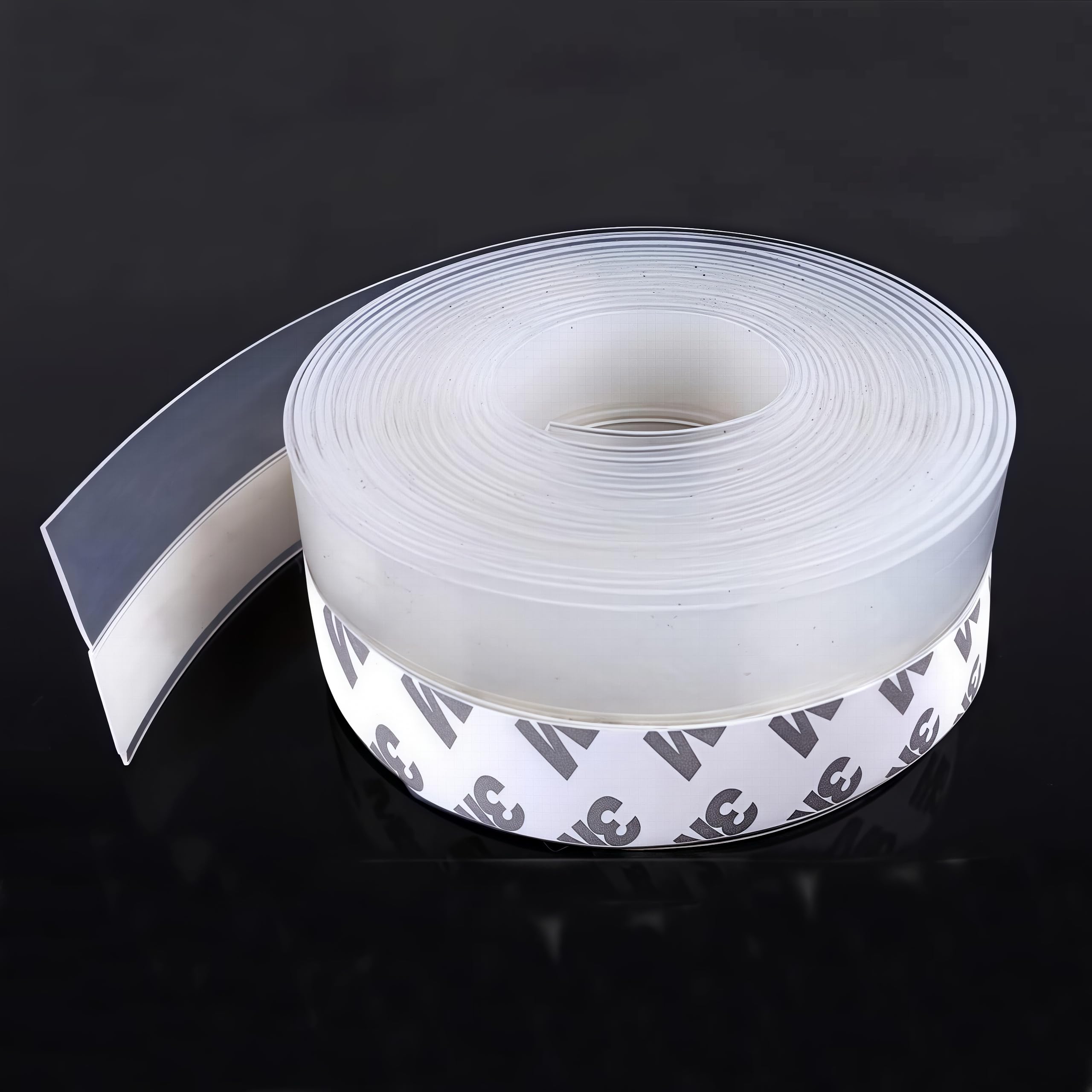
This flexible silicone strip works well at blocking draughts and is easy to cut to size, though the adhesive can be unreliable in certain conditions.
Pros
- Effectively blocks draughts, dust and insects from entering through door gaps
- Clear silicone material is discreet and won’t look bulky on your door frame
- Eight metres of length gives you plenty to work with for multiple doors or windows
Cons
- Adhesive backing can fail after a couple of weeks, particularly in cooler temperatures
- Requires heating with a hair dryer for proper installation in cold conditions
- May start peeling off even after careful surface preparation
We found this silicone strip genuinely effective at stopping cold air from sneaking under our front door. The clear material blends in nicely against most door frames, and we appreciated that it didn’t create the bulky appearance that foam alternatives often do.
Installation was straightforward once we got the surface properly cleaned. We did need to use a hair dryer to warm up the adhesive backing, which helped it stick better initially. The strip cut easily to the exact length we needed.
However, we noticed the adhesive started lifting in spots after about two weeks of use. This seemed to happen more where the door frame gets colder. We had to press it back down a few times, and in one section it came off completely.
The material itself feels durable and flexible enough to withstand daily door use without tearing. It compresses nicely when the door closes and springs back into shape. We haven’t seen any damage from exposure to sunlight or moisture yet.
For the price, it does the job of blocking draughts reasonably well. Just be prepared to potentially reapply sections or use additional adhesive if you’re installing it in a cold spot or on a surface that gets a lot of temperature variation.
4. Bynsaer Draught Excluder Tape

This tape offers solid performance for filling gaps around doors and windows at a budget-friendly price, making it worthwhile for most draught-proofing needs.
Pros
- Adheres firmly to multiple surfaces including wood, glass and metal without peeling off easily
- The foam maintains its shape well over time and doesn’t compress flat after regular door use
- Comes in a generous length that covers multiple doors or windows in one purchase
Cons
- Some users found the adhesive failed on certain surfaces despite proper cleaning
- The thickness may be too substantial for very tight gaps between door and frame
- Takes a bit of effort to cut precisely to size for a neat finish
We found this draught excluder worked brilliantly on our front door where cold air had been sneaking through. The foam felt dense and springy when we handled it, quite different from cheaper alternatives we’ve tried before.
Installation was straightforward once we cleaned the door frame properly with methylated spirits. We measured carefully and cut the strip to length, then pressed it firmly into place. The backing peeled away cleanly without tearing.
After a few weeks of testing, the seal has held up well through daily opening and closing. We’ve noticed a real difference in the amount of cold air coming through, and the street noise has dropped noticeably too. The white colour blends in nicely against our door frame.
The roll is split into two separate strips, which proved handy for tackling different sized gaps around the house. We used one section on the front door and saved the rest for a draughty window in the bedroom.
5. HIZH Door Draft Excluder

This double-sided draught excluder works well for most standard doors, though it may struggle on carpeted floors and won’t suit every situation.
Pros
- Moves naturally with the door without needing constant readjustment
- Can be trimmed down easily to fit different door widths up to 94cm
- Glides smoothly across hard flooring surfaces like wood and tile
Cons
- Durability issues reported on carpeted surfaces where it can break with regular use
- May not create enough of a seal to make a noticeable temperature difference in homes with severe draughts
- Tends to be slightly too long for some standard doorways requiring immediate cutting
We found the HIZH draught excluder quite straightforward to install right out of the packet. The vinyl cover slips over two foam tubes that sit on either side of the door bottom, creating a barrier that shifts along as you open and close the door. It’s a clever design that saves you from having to kick it back into place constantly.
The foam tubes do their job on hard floors where we tested it. We noticed it sliding across our wooden hallway floor without catching or bunching up. The grey vinyl feels reasonably durable when you handle it, though the lightweight construction makes us wonder about long-term wear.
Unfortunately, we did encounter some limitations during testing. On carpeted areas, the excluder struggled quite a bit and we can see why some users reported breakage. The foam tubes seem to compress too much under the door’s weight when there’s carpet friction involved.
The temperature control benefits felt modest in our experience. Whilst we could feel less air movement near the door, the overall room temperature didn’t shift dramatically. It does block that annoying strip of light that comes through at night though, which turned out to be an unexpected bonus for bedroom doors.
Trimming the excluder to size was simple enough with regular scissors. We appreciated not needing any special tools or adhesives for installation. Just measure, cut, and slide it under your door.
What to Look For
When shopping for a draught excluder, we need to consider several key factors to ensure we get the right product for our front door.
Material and Durability
The material determines how long the excluder will last and how well it performs. Common options include foam, rubber, brush strips, and fabric-filled designs. We should look for weather-resistant materials that won’t degrade quickly when exposed to moisture or sunlight.
Measurement and Fit
We must measure our door accurately before purchasing. Check the width of the door and the size of any gaps we’re trying to seal. Some excluders are adjustable, whilst others come in fixed sizes.
Key Features to Consider
| Feature | What to Look For |
|---|---|
| Installation | Self-adhesive backing or screw-fix options |
| Gap Size | Suitable for gaps ranging from 3mm to 25mm |
| Door Clearance | Won’t impede door opening or closing |
| Threshold Protection | Won’t damage flooring or create trip hazards |
Type Selection
Different door types require different solutions. External doors need robust, weatherproof excluders. We should consider whether we need a bottom door seal, side strips, or a combination.
Maintenance Requirements
Some excluders need regular cleaning or replacement. We should think about how easy the product is to maintain and whether replacement parts are available.
Look for products that offer good insulation properties without compromising door functionality. The best choice depends on our specific door type and the severity of draughts we’re experiencing.