

Roses reward careful feeding and soil that drains well while holding moisture. The best compost for roses should be rich in organic matter, slightly acidic to neutral, and free of weed seeds or contaminants.
A high-quality rose compost improves bloom size and colour, supports healthy root growth, and reduces the need for frequent feeding.
When choosing compost for roses, look for texture, nutrient profile, pH, and whether it contains added fertilisers or slow-release feeding. We tested a range of blends and considered factors such as drainage, moisture retention, and suitability for containers versus borders to find options that make rose care simpler and more reliable.
Best Compost for UK Roses
We tested a range of composts to find blends that boost flowering and soil health for roses. Below is our numbered list of the best products to help you choose the right compost for your plants.
1. Miracle-Gro PEAT FREE Premium Rose, Tree & Shrub Compost, 40 Litres

We recommend this if you want a peat-free, ready-to-use compost that helped our roses establish quickly and flower well.
Pros
- Peat-free mix that feels light and holds moisture well.
- Feeds plants for weeks with a balanced mineral blend.
- Easy to use straight from the bag for potting and planting.
Cons
- Bag is bulky to handle when full.
- More costly than basic garden composts.
- Some batches can vary slightly in texture.
We potted several roses and young shrubs with this compost and noticed strong root checks within weeks. The fibre content kept the rootball airy while still holding water, so we avoided overwatering issues.
We liked the convenience of a ready mix that includes nutrients for up to three months. Plants looked healthier and produced better bud sets compared with plain multi-purpose compost we tried last season.
Transport and handling deserve a mention. Carrying the 40 litre bag upstairs was awkward, and gardeners on tight budgets might prefer a cheaper option for large beds.
2. Levington PEAT FREE Rose, Tree & Shrub Compost, 50 litre
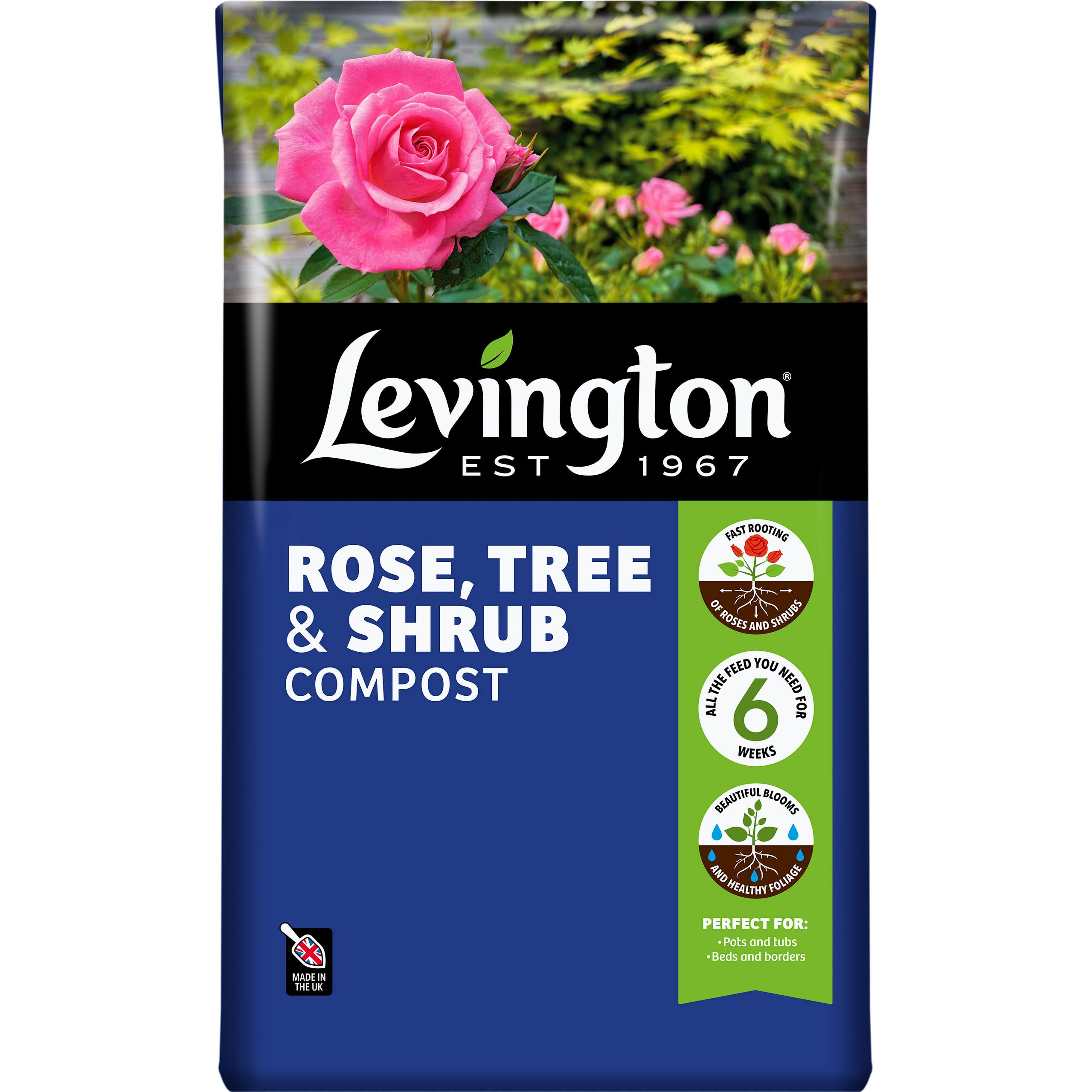
We would buy this compost for roses when we want a peat-free, all-purpose mix that helps plants establish without fuss.
Pros
- Peat-free and environmentally preferable.
- Good nutrient balance that helped our roses settle in quickly.
- Large 50 litre bag covers several containers or a border.
Cons
- Occasional small sticks and coarse bits in the mix.
- Bag is heavy to manoeuvre alone.
- Not tailored for specialist feeding needs beyond general growth.
We used this straight from the bag to repot patio roses and to top-dress a mixed border. The texture felt loamy and light enough to work into root balls without compacting.
After a few weeks our newly planted roses showed steady shoot growth and healthier leaves. Flowering was normal for the season, and the compost held moisture without staying waterlogged.
Delivery arrived intact and the bag opened easily. Handling the full bag was a two-person job for us, but once in place the mix worked where we needed it.
3. Westland Rose High Performance Plant Food 3 kg

We recommend this if you want a simple, budget-friendly feed that boosts bloom size and conditions soil over the season.
Pros
- Enriched with horse manure for rich organic matter.
- Noticeably bigger and healthier blooms after a few feeds.
- Easy to apply granules that work into soil.
Cons
- Strong smell if not mixed into soil properly.
- Needs repeat feeding through the season for best results.
- Packaging can be awkward to store in small flats.
We tried this on a row of mixed hybrid teas and found the blooms fuller within weeks. The granules broke down well in moist soil and seemed to improve leaf health.
Application felt straightforward. We dug a little into the root zone and watered afterwards. The roses responded faster than with basic NPK feeds we used before.
If you live in a small flat beware of the smell if you leave bags open. For garden beds it adds good organic matter and helps with disease resistance, but plan to feed more than once for steady results.
4. simpahome Rose, Tree & Shrub Compost 60L

We recommend this compost for most gardeners who want an easy-to-use, moisture-retentive mix that helps young roots establish.
Pros
- Feels balanced and not overly coarse, so it works well in pots and beds.
- Holds moisture without becoming waterlogged.
- Noticeable improvement in new root growth after a few weeks.
Cons
- Can irritate skin and eyes if handled without gloves.
- Bag appearance may vary from what you expect.
- The scent is earthy; some may find it strong when first opened.
We used this in containers and a small rose bed and saw new growth set more quickly than with general-purpose soil. The texture stayed friable, so roots could penetrate without trouble.
We mixed it 50:50 with our existing topsoil for planting and it made planting day easier. Water retention meant fewer daily checks in warm weather.
On practical points, the 60L sack is heavy but manageable with two people. Wearing gloves avoided the mild skin irritation warned about on the label.
5. Jamieson Brothers Multi Purpose Compost with John Innes 60L
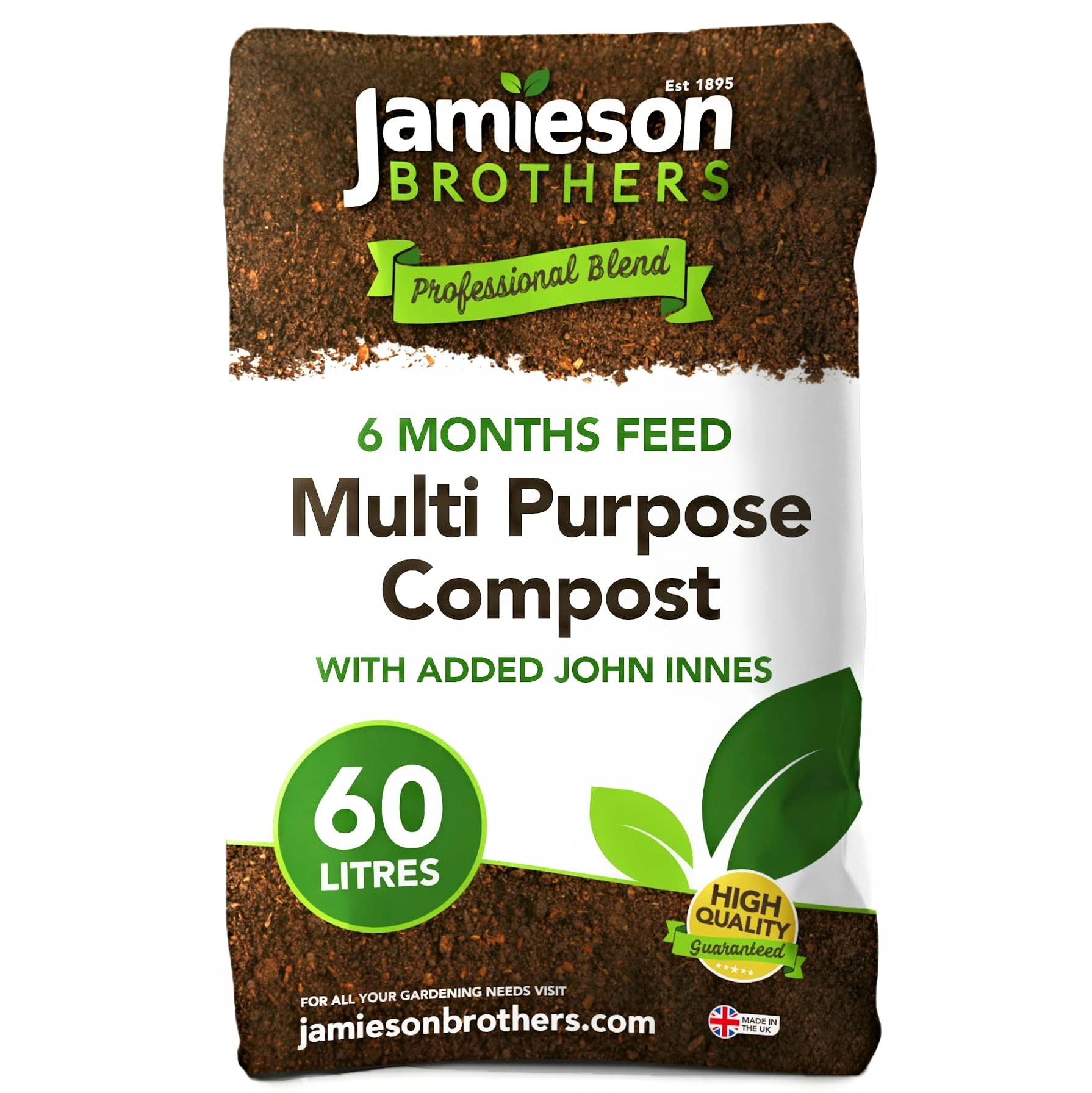
We recommend this compost if you want a tidy, nutrient-rich mix that keeps roses healthy with minimal fuss.
Pros
- Clean, fine texture with no woody lumps.
- Slow-release feed lasts about six months.
- Good aeration from added perlite.
Cons
- Not as free-draining as some mixes.
- Heavier bag to handle when full.
- May require extra drainage for very wet climates.
We used this compost to repot a few established roses and young bareroots. The texture felt pleasantly crumbly and easy to work with. Roots seemed to settle quickly after potting.
After a few weeks the plants showed steady new growth. The slow-release feed did a quiet, dependable job. We did notice water pooled a little in the pots after heavy rain.
For container roses we added some grit to improve drainage in deeper pots. For beds and borders it performed well straight from the bag. Overall it gave a clean, reliable base for healthy blooms and strong roots.
What is the best compost for roses?
We look for compost that supports healthy root growth and steady flowering. Aim for a well-balanced mix of nutrients and good structure.
We value texture. Choose compost that is light but holds moisture. Avoid mixes that are heavy and waterlogged.
We check nutrient content on the label. Look for an N-P-K balance suited to flowering plants and added micronutrients. Slow-release nutrients are helpful.
We inspect ingredients. Compost with a mix of decomposed organic matter, like leaf mould and garden compost, is best. Avoid products with too much peat or inert fillers.
We consider pH and drainage. Roses prefer slightly acidic to neutral soil. Good drainage prevents root rot and keeps plants vigorous.
We compare particle size. Finer compost suits potted roses. Coarser, chunky compost suits borders and soil improvement. Match texture to how you will use it.
We read for added features. Look for mycorrhizae or beneficial microbes if available. Check for added fertiliser and whether it is organic.
We assess bag weight and price per litre. Calculate cost by volume rather than by bag count. Heavier bags may be more economical.
We inspect certifications and lab test results. Organic certification, compost quality marks and analysis details give confidence. Prefer clear labelling and traceable ingredients.
We plan quantity. Estimate 5 to 10 litres per potted rose and 20 to 50 litres for border dressing. Buy a little extra for mulching and top-dressing to ensure the best compost for roses gives you the results you expect.
Product Features Checklist
| Feature | Why It Matters |
|---|---|
| Nutrient balance | Feeds flowering and root growth |
| Texture | Affects watering and root penetration |
| Drainage | Prevents waterlogging |
| pH | Matches rose preference |
| Organic content | Improves soil health over time |
| Additives | Beneficial microbes or slow-release feed |
| Labelling | Ensures quality and transparency |